
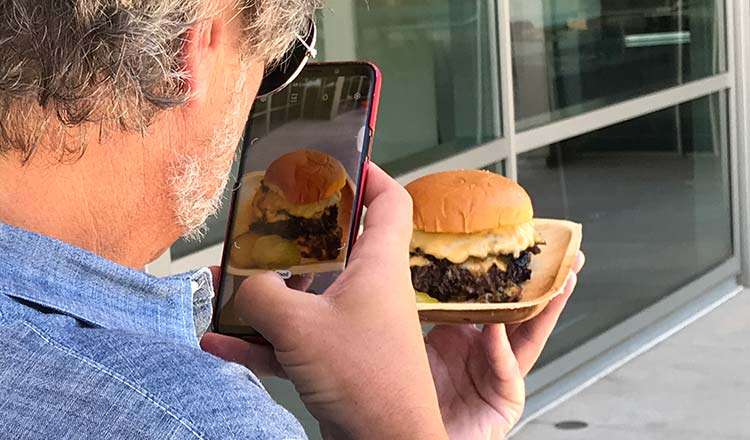
Labor Day weekend is the grand finale of summer. It’s a holiday built on traditions—parades, barbecues, backyard parties, and of course, food. And while store-bought hamburger buns may be the default choice for most, this year we suggest being just a little.. extra. After all, nothing says foodie confidence like showing up to the cookout with a platter of burgers on homemade buns.
At the Culinary Institute of America, we’re big believers that bread is never just bread. A bun can be the secret star of a dish, a small detail that turns your burger from “pretty good” into “how did you do this?” territory. This Labor Day, take your celebration to the next level by rolling up your sleeves, dusting your counter with flour, and baking your own buns.

Don’t be intimidated—this is just bread dough, and bread dough wants to become bread. Start with a sponge (a simple pre-ferment mixture of flour, milk, and yeast) that develops flavor in just half an hour. Then mix in the remaining ingredients, knead until smooth, and let it rise. Shape into rounds, let them puff, and bake until golden.
From start to finish, you’re looking at about three hours—much of it hands-off while the dough is rising. It’s a perfect project for a leisurely holiday morning. By the time your grill heats up, you’ll have warm buns cooling on the counter, ready to make your burgers shine.
Making your own buns doesn’t mean reinventing the wheel. It means elevating what’s already on the table. Go classic with perfect rounds, or press sesame seeds, poppy seeds, flaky sea salt, or even “everything” seasoning on top. People will notice. Size it up (or down). Make slider buns for a spread of mini-burgers, or go oversized for smash burgers.
So, this weekend, skip the plastic-bagged buns. Make your own, stack them high with your favorite burger, and take a moment to appreciate how something so simple can feel so extraordinary. Trust us—your guests will remember the burgers, but they’ll never forget the buns.

I made them — they have a rather chewy crust and I wondered if the flour for the sponge is really supposed to be the larger amount as is written in the recipe. It was too “doughy” to become bubbly at all. What did I do wrong?