
Red kuri squash

When the weather cools and markets brim with fall produce, most cooks reach for the familiar: butternut, acorn, maybe a sugar pumpkin or two. But the squash family is vast and varied, filled with striking shapes, mottled skins, and flavors that range from earthy to almost chestnut-sweet. These lesser-used hard-skinned varieties might look intimidating, but they’re worth adding to your fall kitchen rotation for their personality and versatility.

Kabocha
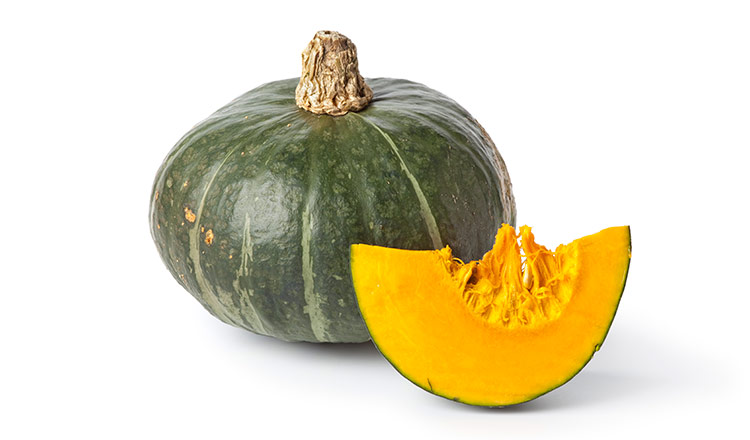
Kabocha squash

Beloved in Japanese cooking, kabocha looks like a squat, deep-green pumpkin with a dense, sunset-orange interior. Its texture is rich and velvety—somewhere between sweet potato and chestnut—and it makes a creamy soup or an unexpected tempura filling. Though you may choose to peel it for smooth soups or purées, the peel softens beautifully when roasted, so skip the peeling and slice it into wedges for a caramelized, nutty side dish.

Red Kuri
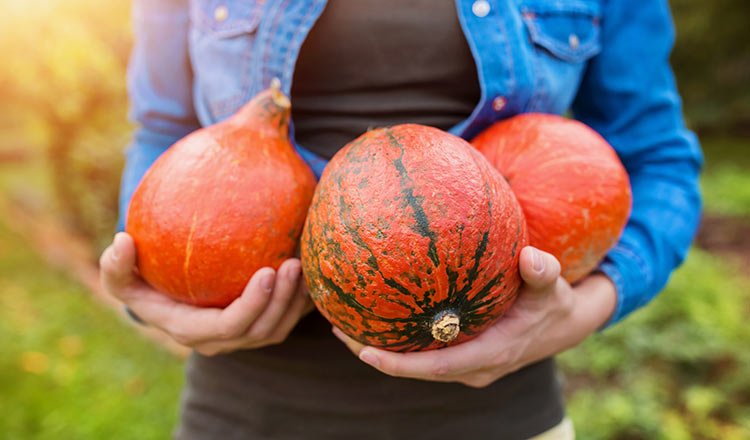
Red kuri squash

This teardrop-shaped squash glows a burnished orange-red and hides smooth, fine-grained flesh that cooks up silky. Red kuri’s flavor is subtle and nutty, making it perfect for purées, gratins, and creamy pastas. It shines especially in puréed soups, where its sweetness balances earthy spices like cumin or coriander. Like kabocha, the skin is tender enough to eat once cooked, though it is tough enough that some may prefer it peeled.

Carnival and Sweet Dumpling
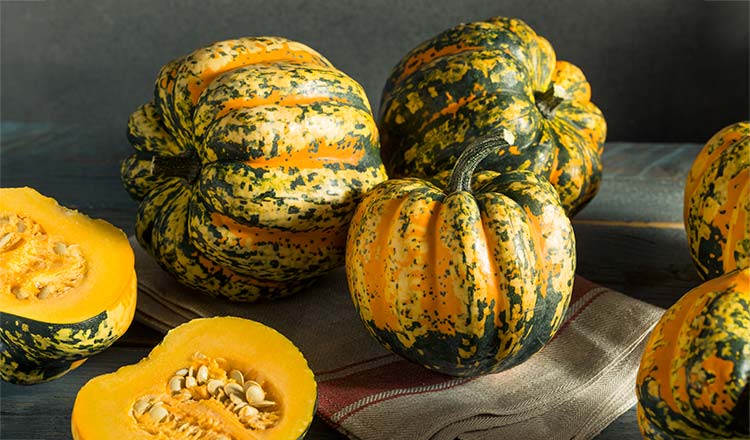
Sweet dumpling squash

These two small, rounded squashes could pass for decorative gourds, but they’re delicious on the plate. Carnival squash—spotted green, yellow, and cream—is actually a hybrid of acorn and sweet dumpling varieties, with tender flesh and a flavor reminiscent of brown sugar and butter. Sweet dumpling, its smaller cousin, has a delicate, dessert-like sweetness that makes it ideal for stuffing: try filling roasted halves with wild rice, apples, and herbs for a showstopping fall entrée.

Hubbard
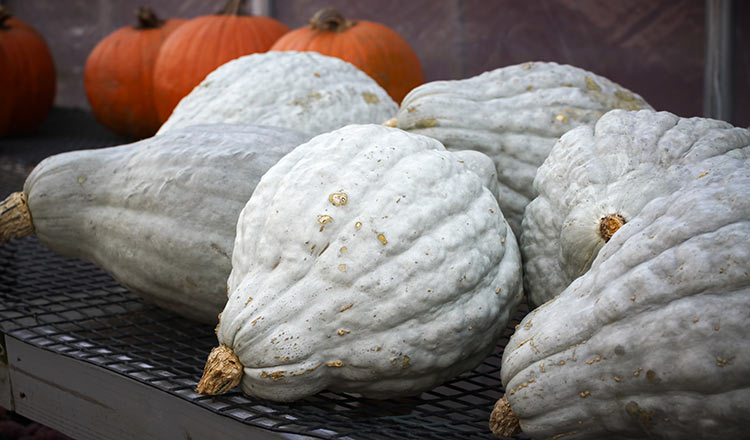
Hubbard squash

With its bumpy, slate-blue or orange skin and football size, hubbard squash can be a little intimidating, but it rewards those daring enough to cut into it. Its dense, dry flesh turns sweet and nutty when roasted, making it a perfect candidate for pies, purées, and hearty soups. If you spot pre-cut hubbard at the market, grab it! Many cooks skip it only because of the effort involved in splitting it open.

Fairytale (Musquée de Provence)
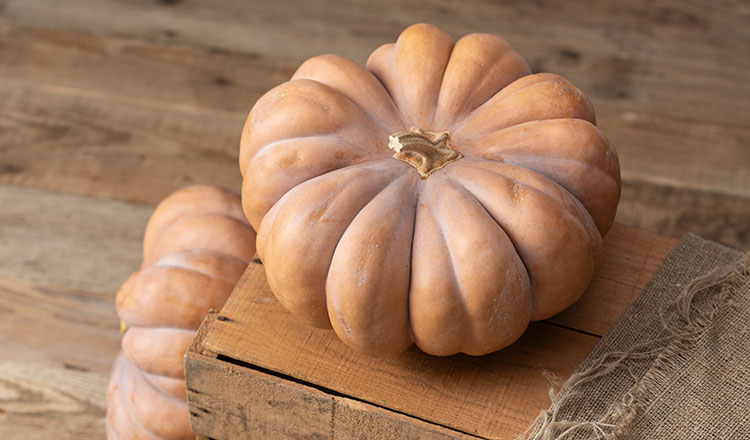
Fairytale pumpkin

These heirloom French varieties look like they rolled straight out of a harvest painting. With deeply lobed, tan skins and vivid orange interiors, they’re often used for décor—but they’re also excellent eating. Their flavor is neutral and sweet, making them perfect for savory galettes or roasted with rosemary and olive oil. Generally, the peels should be removed when working with any large squash or pumpkin.

Cooking and Storing Tips

Hard-skinned squashes keep for months in a cool, dry place, so stock up when you see them. Roasting (cut into halves or wedges with the seeds scooped out) is the simplest way to unlock their natural sweetness. A drizzle of olive oil, a sprinkle of salt, and 400°F for 30 to 45 minutes is often all they need. Once roasted, their flesh can be mashed into risottos, folded into muffin batter, or stirred into soup for cozy, autumnal depth.

So this fall, skip the predictable butternut and try a new squash character. You’ll discover that each one brings its own texture, sweetness, and story to the table, for proof that there’s always more to explore beneath the hard shell. And don’t forget to chat with your local farmers about local and heirloom varieties that may be unique to your area!

CIA FOODIES


Beyond Butternut: Exploring Lesser-Used Hard-Skinned Squashes

Red kuri squash
When the weather cools and markets brim with fall produce, most cooks reach for the familiar: butternut, acorn, maybe a sugar pumpkin or two. But the squash family is vast and varied, filled with striking shapes, mottled skins, and flavors that range from earthy to almost chestnut-sweet. These lesser-used hard-skinned varieties might look intimidating, but they’re worth adding to your fall kitchen rotation for their personality and versatility.

Kabocha

Kabocha squash Beloved in Japanese cooking, kabocha looks like a squat, deep-green pumpkin with a dense, sunset-orange interior. Its texture is rich and velvety—somewhere between sweet potato and chestnut—and it makes a creamy soup or an unexpected tempura filling. Though you may choose to peel it for smooth soups or purées, the peel softens beautifully when roasted, so skip the peeling and slice it into wedges for a caramelized, nutty side dish.

Red Kuri

Red kuri squash This teardrop-shaped squash glows a burnished orange-red and hides smooth, fine-grained flesh that cooks up silky. Red kuri’s flavor is subtle and nutty, making it perfect for purées, gratins, and creamy pastas. It shines especially in puréed soups, where its sweetness balances earthy spices like cumin or coriander. Like kabocha, the skin is tender enough to eat once cooked, though it is tough enough that some may prefer it peeled.

Carnival and Sweet Dumpling

Sweet dumpling squash These two small, rounded squashes could pass for decorative gourds, but they’re delicious on the plate. Carnival squash—spotted green, yellow, and cream—is actually a hybrid of acorn and sweet dumpling varieties, with tender flesh and a flavor reminiscent of brown sugar and butter. Sweet dumpling, its smaller cousin, has a delicate, dessert-like sweetness that makes it ideal for stuffing: try filling roasted halves with wild rice, apples, and herbs for a showstopping fall entrée.

Hubbard

Hubbard squash With its bumpy, slate-blue or orange skin and football size, hubbard squash can be a little intimidating, but it rewards those daring enough to cut into it. Its dense, dry flesh turns sweet and nutty when roasted, making it a perfect candidate for pies, purées, and hearty soups. If you spot pre-cut hubbard at the market, grab it! Many cooks skip it only because of the effort involved in splitting it open.

Fairytale (Musquée de Provence)

Fairytale pumpkin These heirloom French varieties look like they rolled straight out of a harvest painting. With deeply lobed, tan skins and vivid orange interiors, they’re often used for décor—but they’re also excellent eating. Their flavor is neutral and sweet, making them perfect for savory galettes or roasted with rosemary and olive oil. Generally, the peels should be removed when working with any large squash or pumpkin.

Cooking and Storing Tips

Hard-skinned squashes keep for months in a cool, dry place, so stock up when you see them. Roasting (cut into halves or wedges with the seeds scooped out) is the simplest way to unlock their natural sweetness. A drizzle of olive oil, a sprinkle of salt, and 400°F for 30 to 45 minutes is often all they need. Once roasted, their flesh can be mashed into risottos, folded into muffin batter, or stirred into soup for cozy, autumnal depth. So this fall, skip the predictable butternut and try a new squash character. You’ll discover that each one brings its own texture, sweetness, and story to the table, for proof that there’s always more to explore beneath the hard shell. And don’t forget to chat with your local farmers about local and heirloom varieties that may be unique to your area!

Copyright © 2026 The Culinary Institute of America

Leave a Comment